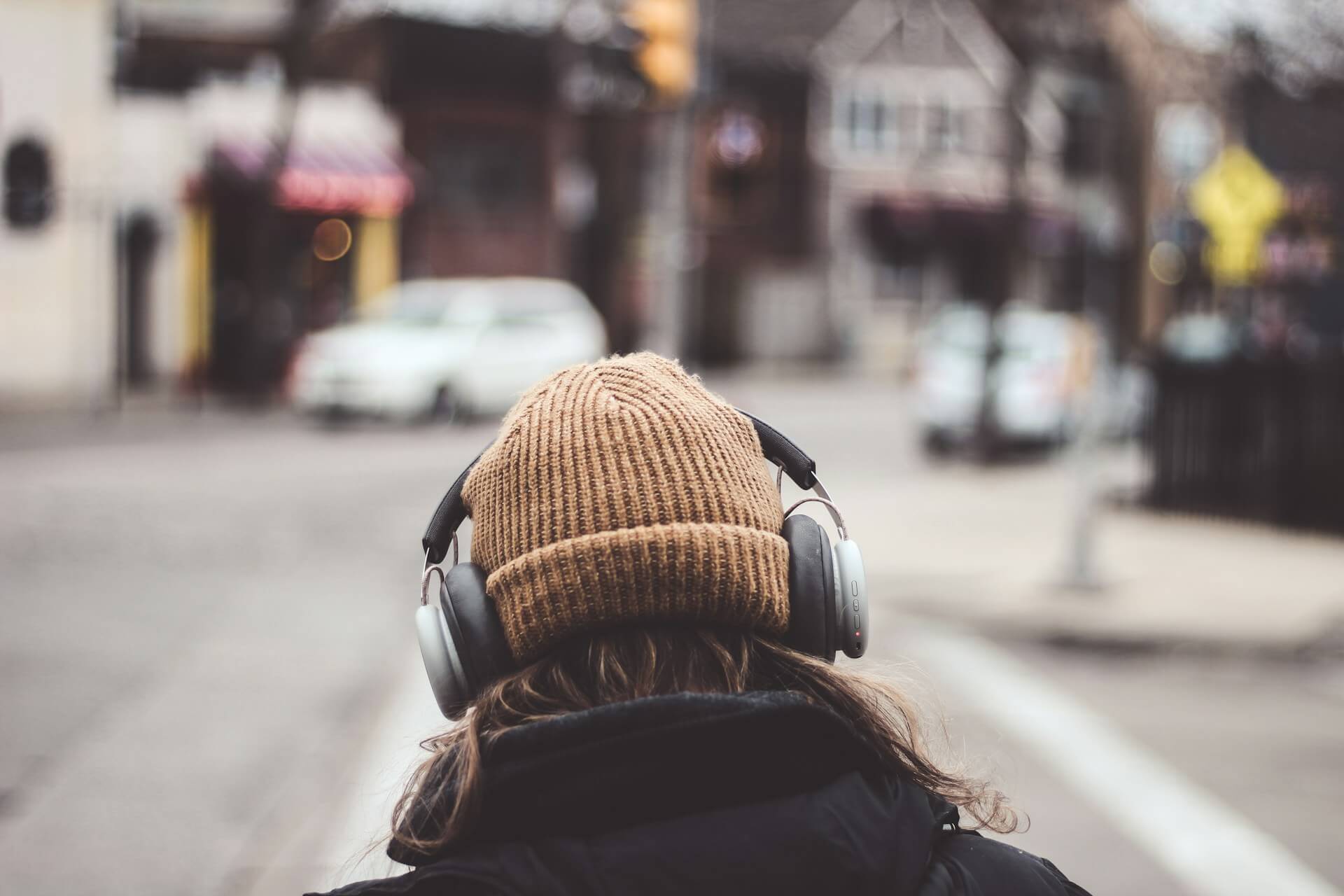
I’m not a great auditory processor. Listening to long presentations or podcasts has always required a lot of effort to keep my mind from wandering. Sometimes lengthy Zoom meetings for work are even a challenge.
For this reason, I’ve historically not listened to audiobooks. I enjoy the act of reading a physical book, and in the event I do start to zone out while reading (which doesn’t happen often), the story doesn’t go on without me.
However, in 2025 I lost my remote job. After six months of looking for new employment, I ended up accepting an in-office position.
The commute requires me to spend at least an hour and half in the car, five days a week, and this new arrangement leaves me with a lot less time to do the things I enjoy, including reading. So, I finally bit the bullet and tried audiobooks, both to help me finish more books and to make my commute more enjoyable.
Here are my tips for getting started with audiobooks, as someone who isn’t naturally inclined to this form of media.
Narrators Are Just as Important as Authors
Just as a bad performance from the lead actor will ruin a movie, even if it has the best storyline, a bad narrator will make it nearly impossible to pay attention to an audiobook.
Changing inflection to suit the mood of the scene, infusing emotion into the characters’ voices, and varying speed and tone are all important to make sure the narration is interesting and engaging.
The first audiobook I listened to was Hollywood Park by Mikel Jollett (a recommendation from a friend). It’s a memoir, and Jollett himself reads the audiobook. I think this worked extremely well, given the deeply personal nature of the material. Jollet is also a musician, and I felt that came through in his narration. He’s skilled at using his voice to convey emotion.
You can usually listen to samples of audiobooks before you buy them or check them out from the library, which can help you get a feel for the narration style before you commit to listening.
Listen While Doing Routine Tasks
I listen to audiobooks while I’m driving, as do many other people. I’ve also seen many people mention online that they like to listen to audiobooks while they clean or go for a walk.
Doing something active can help you retain information better, and also boosts engagement while listening. If you struggle to pay attention to audiobooks, multitasking (as long as it’s something physical) might actually help you get more out of your listening experience.
You’re Allowed to Rewind (Or Start Over)
If you feel like you’ve missed something while you’re reading, you can flip back to a previous page and reread to pick up more details. The same is true for audiobooks — there’s nothing stopping you from rewinding or even starting over if you need to.
Listening is definitely a skill you have to build over time. It takes practice and patience to get better at it. I think of the auditory processing part of my brain as a muscle I have to exercise.
Sometimes that means hitting the rewind button to skip back a couple of minutes, especially when I’m getting back in the car and picking up wherever I left off on my last drive.
Listen to Stories You’re Familiar With…
Although I haven’t personally tried this yet, many people find it helpful to listen to the audiobook versions of books or movies they know well. That way, if they miss some details while listening, they still know what’s happening because they’re familiar with the story.
I had planned to try this out myself by listening to Little Women, but unfortunately it wasn’t available through my library. I hope to listen to a book I’d like to revisit some time in the coming year!
… Or Ones With Simple Plots
Another tip for choosing audiobooks when you’re first starting out is to look for ones that aren’t too complex. I love reading fantasy and science fiction, but so far I’ve stuck to memoir and contemporary audiobooks.
After I finished Hollywood Park, I borrowed The Reading List to listen to. It’s a quiet, character-driven story, and although it didn’t end up being a favorite for me, I do think it worked well as an audiobook. The slower plot probably would have made it a bit of a slog to read, but listening to it meant the story kept moving at a steady pace.
Experiment With Speed
Speaking of pacing, playback speed is a very controversial topic when it comes to audiobooks.
Some people say that if you get distracted while listening to audiobooks, you should try increasing the speed. I think the effectiveness of this might vary depending on the book and the narrator.
Others talk about the impossibility of actually being able to comprehend the content when you’re listening to an audiobook at double speed. Everyone’s different, so I don’t doubt that there are some people who are able to listen at this speed and still enjoy the story.
I’m not personally one of them. Besides, I find the fast, squeaky voices silly and it takes away from my listening experience.
Read the Physical Book (or Ebook) While You Listen
This tip isn’t all that helpful if you’re planning to listen to audiobooks in your car or while you’re doing other things, but if you’re trying to train your brain to listen better, you might try reading a physical copy of a book while you listen to the audiobook version.
This combination can help you absorb the information better. The physical book can act as “training wheels” for the audiobook while you get used to consuming the material in a new way.
I’ve had a slow start on my audiobook journey, and it’s been just as challenging as I expected it would be to adjust to listening instead of reading. That said, I’m looking forward to trying more audiobooks and continuing to exercise that auditory processing muscle.
Feature Image Credit: Unsplash.

Leave a Reply